Red Light Therapy for Mood & Mental Clarity
Support your brain health naturally. Near-infrared light enhances neuronal energy, reduces brain fog, and supports mood regulation—without pharmaceuticals or side effects.
Quick answer
Near-infrared light at 850 nm penetrates the skull to reach cortical tissue, stimulating mitochondrial ATP production in brain cells and reducing neuroinflammation. A 2019 randomized controlled trial in the Journal of Affective Disorders (Cassano et al.) found transcranial photobiomodulation significantly reduced depression severity compared to sham treatment — as a complement to, not replacement for, professional mental health care.
- What is red light therapy for mood and mental clarity?
- Red light therapy uses 660nm red and 850nm near-infrared wavelengths to support mood regulation, cognitive function, and mental clarity through non-invasive transcranial and whole-body photobiomodulation at RedLight Freedom in Colonial Heights, Virginia.
- How does red light therapy support brain health?
- Near-infrared wavelengths penetrate the skull to reach cortical tissue, stimulating cytochrome c oxidase in neuronal mitochondria. This increases ATP production, reduces neuroinflammation, and enhances cerebral blood flow for improved neurotransmitter synthesis and cognitive processing.
- What mental wellness benefits does red light therapy provide?
- Red light therapy supports mood improvement, reduced brain fog, anxiety management, enhanced focus and concentration, seasonal mood regulation, and cognitive performance through multiple neurobiological mechanisms.
- How much does a mood and mental clarity session cost?
- New clients pay $79 for their first full-body Prism Light Pod session at RedLight Freedom (regularly $299). Sessions last 15 minutes. Our medical-grade Prism Light Pod delivers results in just 2 sessions per week over 4-8 weeks.
- Where can I get red light therapy for mood support near me?
- RedLight Freedom is located at 11391 Nuckols Rd, Suite C, Glen Allen, VA 23059, serving Colonial Heights, Petersburg, Hopewell, Chester, Chesterfield, and Fort Barfoot. Open Tuesday through Saturday, 9 AM to 5 PM.
How Red Light Therapy Supports Mood & Cognition
Neuronal Energy Production
Near-infrared wavelengths (850nm) penetrate the skull to reach cortical tissue, where they interact with cytochrome c oxidase in brain cell mitochondria. The result: more fuel available for neurotransmitter synthesis, sharper synaptic signaling, and the cognitive processing power that low mood and brain fog steal from you.
Neuroinflammation Reduction
Chronic low-grade neuroinflammation is increasingly linked to depression, brain fog, and cognitive decline. Photobiomodulation reduces pro-inflammatory cytokines in brain tissue while promoting neuroprotective factors, helping restore optimal neural function.
Cerebral Blood Flow
Near-infrared light promotes nitric oxide release, dilating blood vessels and increasing regional cerebral blood flow. Better circulation delivers more oxygen and glucose to brain regions involved in mood regulation, attention, and executive function.
Clinical Insight: Unlike pharmaceuticals that alter neurotransmitter levels directly, transcranial photobiomodulation works upstream by enhancing the energy metabolism that powers all neural processes. This explains why research participants report improvements across multiple cognitive domains—mood, focus, memory, and mental clarity—rather than isolated effects.
Based on findings from the Journal of Affective Disorders, 2019 & Photomedicine and Laser Surgery, 2017Key Study: A 2019 randomized controlled trial published in the Journal of Affective Disorders (Cassano et al.) found that transcranial photobiomodulation significantly reduced depression severity scores compared to sham treatment, with participants also reporting improved anxiety and cognitive function.
Real Results, By the Numbers
Individual results vary. Not intended to diagnose, treat, cure, or prevent any disease.
Research-Backed Mental Wellness Benefits
Low Mood & Depression
Randomized controlled trials show transcranial photobiomodulation reduces depression severity by enhancing prefrontal cortex metabolism and neurotransmitter production. Should complement professional mental health treatment.
Brain Fog
Near-infrared light improves cognitive processing speed and reduces subjective brain fog by enhancing mitochondrial ATP production and increasing cerebral blood flow to attention-related brain areas.
Anxiety & Stress
Photobiomodulation modulates the stress response by reducing cortisol-related neuroinflammation and supporting prefrontal cortex function for emotional regulation.
Focus & Concentration
A 2017 study demonstrated that transcranial PBM improved reaction time, sustained attention, and working memory. Enhanced neuronal energy metabolism supports the executive function networks that underpin focus.
Seasonal Mood Changes
Near-infrared wavelengths offer complementary benefits to traditional bright-light therapy through direct mitochondrial stimulation rather than circadian rhythm modulation alone.
Cognitive Performance
Research participants receiving transcranial PBM showed improvements in memory recall, executive function, and cognitive flexibility. Enhanced cerebral oxygenation creates an optimal environment for sustained mental performance.
Mental Wellness Challenges We Address
Mood & Emotional Wellness
Low mood, mild-to-moderate depressive symptoms, emotional fatigue, seasonal mood changes, and general feelings of mental heaviness or lack of motivation.
Cognitive Concerns
Brain fog, difficulty concentrating, mental fatigue, slow processing speed, forgetfulness, and reduced cognitive performance under stress or with aging.
Stress & Anxiety
Chronic stress, generalized anxiety, tension-related mental fatigue, overthinking, and difficulty achieving mental calm or relaxation.
Age-Related Cognitive Decline
Age-associated memory changes, reduced mental sharpness, slower recall, and general cognitive decline associated with normal aging processes.
What to Expect from Your Mood & Clarity Session
Take the First Step Toward Clarity
Book your $79 intro session at redlightfreedom.com/book or call (804) 689-2200. We will discuss what you are experiencing — brain fog, low motivation, difficulty concentrating — and design a protocol around your specific mental wellness goals.
Optimize for Brain Penetration
Keep hair pulled back and remove hats so near-infrared wavelengths can reach cortical tissue through the scalp. Our private treatment rooms provide a quiet, calm environment that complements the session.
Feel the Fog Lift
Many clients describe a calm, focused feeling settling in as near-infrared light reaches cortical tissue during the 15-minute session. The effect often sharpens over the hours that follow, like your brain finally has the energy it was missing.
Treatment Protocol: Our medical-grade Prism Light Pod means you only need 2 sessions per week for 4–8 weeks—far fewer than consumer devices require. Some clients notice subtle improvements in mental clarity and energy within the first few sessions, while mood-related benefits typically become more apparent after 3–4 weeks of consistent treatment.
What Our Clients Say
Ryan and Lacey are so kind and genuine. They truly care about their clients, not just fixing things quickly but giving the knowledge and resources to stay healthy long-term. I have more energy and confidence.
They offer a non invasive way to not only look better but feel better. I actually fell asleep in the pod because of how relaxing the red light is. I lost a few inches in one session — you can too!
The facility and staff are amazing and the price is very reasonable. They give a thorough consultation and follow up on your first visit. The communication and knowledge there is top notch.
Individual results vary. These are personal experiences shared by real clients. Red light therapy is not intended to diagnose, treat, cure, or prevent any disease.
Mood & Mental Clarity FAQs
Can red light therapy help with depression and low mood?
How does red light therapy affect brain function?
How many sessions are needed to notice mood improvements?
Is red light therapy safe for people taking antidepressants?
Can red light therapy help with seasonal mood changes?
The Fuel Kitchen
Meals that support Mood & Mental Clarity
 Best match
Yogurt Parfait
No-cook keto parfait with whipped Greek yogurt, almond butter, fresh berries, pecans, and coconut.
View full recipe
Best match
Yogurt Parfait
No-cook keto parfait with whipped Greek yogurt, almond butter, fresh berries, pecans, and coconut.
View full recipe
More meals that support this
 Anti-Inflammatory
Golden Turmeric Smoothie
5 min
Anti-Inflammatory
Golden Turmeric Smoothie
5 min
 Energy
Omega-3 Trail Mix
5 min
Energy
Omega-3 Trail Mix
5 min
 Recovery
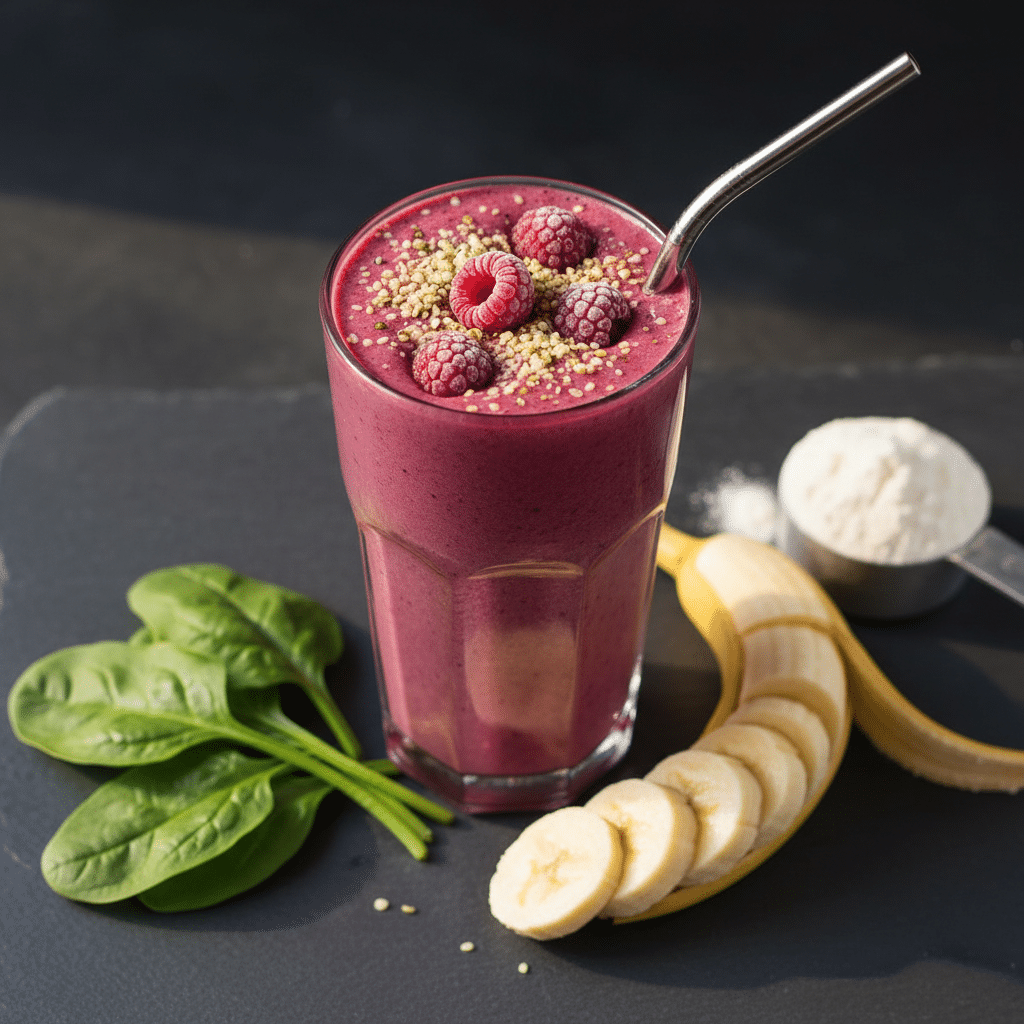
 Protein Smoothie
5 min
Recovery
Recovery Protein Smoothie
5 min
Important: Red light therapy is not intended to diagnose, treat, cure, or prevent any mental health condition. Results vary by individual. This page is for informational purposes only and does not constitute medical advice. Consult your healthcare provider or mental health professional before beginning any new wellness regimen, especially if you have a diagnosed mental health condition or are taking psychiatric medications. *Neurological studies reference: Journal of Affective Disorders, 2019; Photomedicine and Laser Surgery, 2017.
Take the Next Step Toward Mental Clarity
Experience the difference that research-backed photobiomodulation can make for your mental wellness. Our new client special makes it easy to start.
Visit us at 11391 Nuckols Rd, Suite C, Glen Allen, VA 23059 | Wed–Sat 9 AM – 5 PM | Closed Sun–Tue