Red Light Therapy for Better Sleep
Support your body's natural sleep-wake cycle without pharmaceuticals. Targeted wavelengths help regulate melatonin production and improve sleep quality—naturally.
Quick answer
Red light at 660 nm supports natural melatonin production without the circadian-disrupting effect of blue light, while 850 nm near-infrared boosts daytime cellular energy so your body rests more deeply at night. A 2012 study found 30 days of red light therapy improved sleep quality scores in elite athletes.
- What is red light therapy for sleep?
- Red light therapy uses 660nm red and 850nm near-infrared wavelengths to support melatonin regulation, circadian rhythm alignment, and sleep quality through non-invasive photobiomodulation at RedLight Freedom in Colonial Heights, Virginia.
- How does red light therapy improve sleep?
- Unlike blue light from screens that suppresses melatonin, red wavelengths support the body's natural melatonin production cycle. Near-infrared wavelengths stimulate mitochondrial ATP production during waking hours, helping the body achieve deeper restorative sleep at night.
- What sleep benefits does red light therapy provide?
- Red light therapy supports faster sleep onset, circadian rhythm regulation, deeper sleep quality, stress and cortisol modulation, improved daytime energy, and jet lag recovery.
- How much does a sleep support session cost?
- New clients pay $79 for their first full-body Prism Light Pod session at RedLight Freedom (regularly $299). Sessions last 15 minutes. Because our medical-grade pod delivers far more power than consumer devices, most clients see sleep improvements with just 2 sessions per week.
- Where can I get red light therapy for sleep near me?
- RedLight Freedom is located at 11391 Nuckols Rd, Suite C, Glen Allen, VA 23059, serving Colonial Heights, Petersburg, Hopewell, Chester, Chesterfield, and Fort Barfoot. Open Tuesday through Saturday, 9 AM to 5 PM.
How Red Light Therapy Supports Sleep
Melatonin Regulation
Unlike blue light from screens that suppresses melatonin, red light at 660nm supports the body's natural melatonin production cycle. Red wavelengths signal your circadian system without disrupting the sleep-wake hormones your brain needs to initiate rest.
Cellular Energy Balance
Near-infrared wavelengths at 850nm stimulate mitochondrial ATP production in cells throughout your body. This enhanced cellular energy during waking hours helps your body achieve deeper restorative sleep at night, when cellular repair processes are most active.
Neurological Calming
Photobiomodulation reduces oxidative stress and inflammation in the brain, supporting a calmer nervous system. Red and NIR light exposure promotes parasympathetic activity, helping your body transition from alert to rest states more naturally.
Clinical Insight: Unlike pharmaceutical sleep aids, photobiomodulation addresses sleep dysfunction at the cellular level. By supporting natural melatonin cycles and reducing systemic inflammation that disrupts sleep architecture, many clients experience progressive improvement without dependency or side effects.
Based on findings from Zhao et al. (2012), Journal of Athletic Training & a 2019 review in Photobiomodulation, Photomedicine, and Laser SurgeryKey Study: A 2012 study by Zhao et al. published in the Journal of Athletic Training found that 30 days of red light therapy significantly improved sleep quality scores, serum melatonin levels, and endurance performance in Chinese female basketball players.
Real Results, By the Numbers
Individual results vary. Not intended to diagnose, treat, cure, or prevent any disease.
Research-Backed Sleep Benefits
Insomnia & Sleep Onset
Red light therapy reduces the time it takes to fall asleep by supporting natural melatonin production. A 2012 study found significant improvements in sleep quality after consistent treatment.
Circadian Rhythm Disruption
Shift workers, travelers, and those with irregular schedules benefit from red light exposure to help reset circadian timing. Red wavelengths anchor the sleep-wake cycle without the alerting effects of blue light.
Sleep Quality & Depth
Near-infrared light at 850nm penetrates deep into tissue, supporting cellular repair processes that occur during restorative sleep phases. Clients often report deeper, more restful sleep after consistent sessions.
Stress & Cortisol Regulation
Elevated cortisol disrupts sleep architecture. Photobiomodulation helps modulate the HPA axis, supporting healthy cortisol patterns that allow your body to wind down naturally.
Daytime Energy & Alertness
Better sleep means better days. By improving nighttime sleep quality, red light therapy supports daytime cognitive function, mood stability, and sustained energy levels.
Jet Lag & Travel Recovery
Timed red light exposure helps travelers adjust to new time zones faster by supporting circadian entrainment without pharmaceutical intervention.
Sleep Challenges We Address
Difficulty Falling Asleep
Chronic sleep onset issues, racing thoughts at bedtime, and delayed sleep phase syndrome. Red light therapy offers a non-pharmaceutical approach to supporting your body’s natural transition to sleep.
Poor Sleep Quality
Light or fragmented sleep, frequent nighttime waking, and non-restorative sleep patterns. Photobiomodulation supports deeper sleep architecture and more time in restorative sleep stages.
Circadian Rhythm Disruption
Shift work disorder, social jet lag, seasonal changes, and irregular sleep schedules. Red wavelengths anchor your internal clock without the alerting effects of blue light exposure.
Stress-Related Sleep Issues
Anxiety-driven insomnia, cortisol dysregulation, and sympathetic nervous system overactivation. PBM supports parasympathetic balance, helping your body shift into rest mode.
What to Expect from Your Sleep Support Session
Begin Your Sleep Reset
Book your $79 intro session at redlightfreedom.com/book or call (804) 689-2200. We will discuss what your nights look like now — trouble falling asleep, waking at 3 AM, groggy mornings — and build a protocol around your specific patterns.
Time It Right
Schedule your session before 2 PM for optimal circadian alignment. Morning and early afternoon exposure helps reinforce your natural sleep-wake cycle without disrupting evening melatonin production.
Rest Before the Rest
The 15-minute session creates a meditative calm that many clients say stays with them through the afternoon. Sleep improvements build over the following days and weeks as your circadian rhythm recalibrates to a healthier pattern.
Treatment Protocol: While some clients notice improved sleep within the first week, optimal circadian rhythm benefits typically develop over 2–4 weeks at just 2 sessions per week in our medical-grade pod. We will create a personalized sleep support plan tailored to your schedule and goals.
What Our Clients Say
They offer a non invasive way to not only look better but feel better. I actually fell asleep in the pod because of how relaxing the red light is. I lost a few inches in one session — you can too!
The facility and staff are amazing and the price is very reasonable. They give a thorough consultation and follow up on your first visit. The communication and knowledge there is top notch.
Individual results vary. These are personal experiences shared by real clients. Red light therapy is not intended to diagnose, treat, cure, or prevent any disease.
Sleep & Circadian Rhythm FAQs
How quickly will I notice sleep improvements?
Should I do sessions in the morning or evening for sleep?
Can I use red light therapy alongside sleep medications?
Is red light therapy different from a SAD light box?
How many sessions per week for sleep improvement?
The Fuel Kitchen
Meals that support Sleep
 Best match
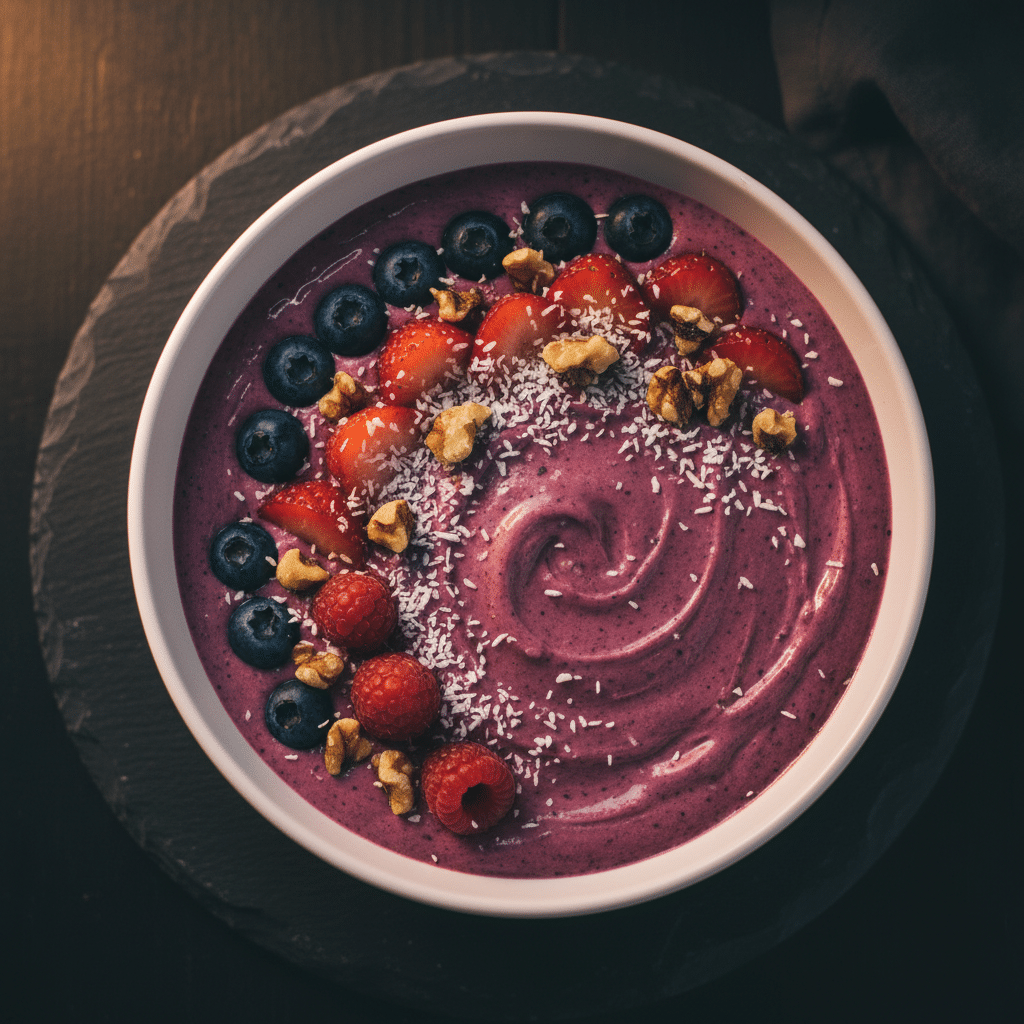
Berry Collagen Bowl
Mixed berries, collagen peptides, almond butter, walnuts. Supports skin rejuvenation and tissue repair after your session.
View full recipe
Best match
Berry Collagen Bowl
Mixed berries, collagen peptides, almond butter, walnuts. Supports skin rejuvenation and tissue repair after your session.
View full recipe
More meals that support this
 Anti-Inflammatory
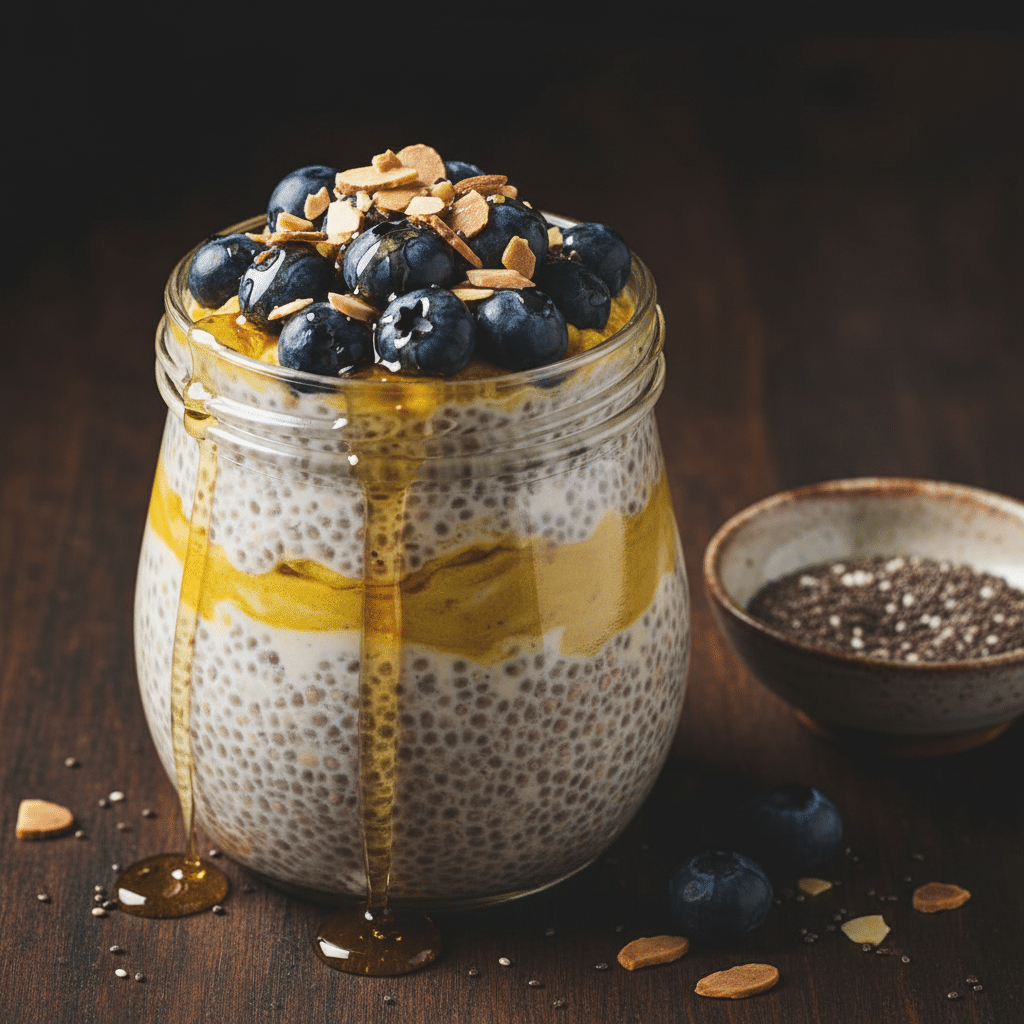
 Chia Pudding
5 min + overnight soak
Anti-Inflammatory
Anti-Inflammatory Chia Pudding
5 min + overnight soak
 Anti-Inflammatory
Coconut Cream Berry Cups
25 min
Anti-Inflammatory
Coconut Cream Berry Cups
25 min
Important: Red light therapy is not intended to diagnose, treat, cure, or prevent any disease. Results vary by individual. Consult your healthcare provider before beginning any new wellness regimen, especially if you have existing medical conditions, diagnosed sleep disorders, or are taking medications for sleep management. *Published study references include Zhao et al. (2012), Journal of Athletic Training.
Start Sleeping Better Tonight
Experience how research-backed photobiomodulation restores your natural sleep-wake cycle. Our new client special makes it easy to begin.
Visit us at 11391 Nuckols Rd, Suite C, Glen Allen, VA 23059 | Wed–Sat 9 AM – 5 PM | Closed Sun–Tue