Red light therapy isn’t a trend made by marketers
When people first hear about red light therapy, it can sound like a fad:
bright lights, big promises, and before-and-after photos. The truth is quieter
and more interesting. The technology behind whole-body red light pods has roots
in decades of lab work, not just spa menus.
The technical term you’ll see in the research is
photobiomodulation therapy – using specific red and
near-infrared wavelengths to gently nudge how cells make and use energy.
That idea has been tested in very controlled settings long before someone
put a pod in a wellness studio in Colonial Heights.
NASA, plant growth, and wound healing
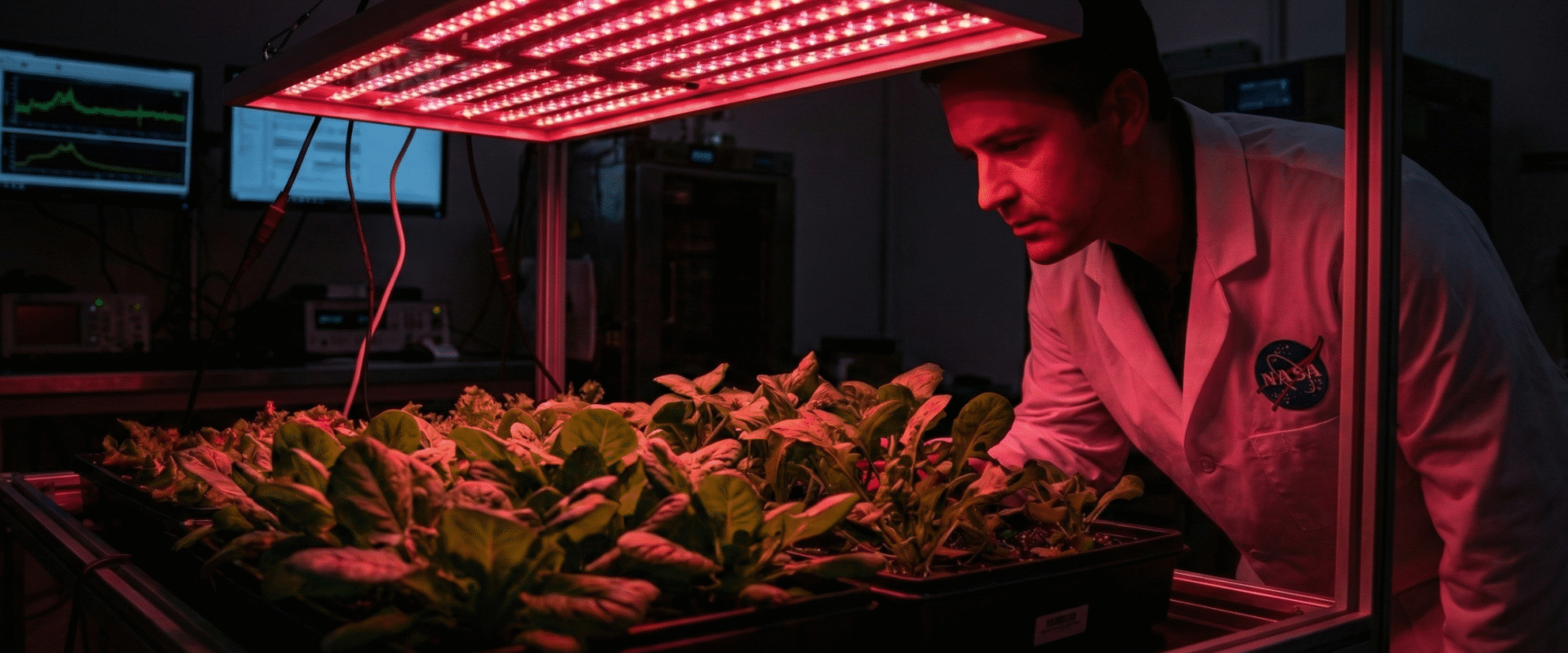
In the early days, researchers and agencies such as NASA were interested in
how light could support plant growth and tissue repair in low-light environments.
Experiments used LED light to help plants grow in space-like conditions and to
see whether certain wavelengths could support healing in skin and muscle.
Those early studies opened the door for more clinical work on red and
near-infrared light. Over time, researchers started looking at things like:
- How quickly wounds closed with and without red light exposure
- Whether soreness after activity improved when light was added
- Changes in markers of inflammation and circulation
These weren’t spa protocols. They were controlled sessions with fixed doses,
specific wavelengths, and careful measurement – the same basic building blocks
behind modern red light therapy devices.
What “photobiomodulation” actually means in normal language
A simple way to think about photobiomodulation is this: certain wavelengths of
red and near-infrared light can be absorbed by structures inside your cells,
especially in the parts that handle energy. That light exposure can encourage
those cells to work a bit more efficiently for a period of time.
In practice, this may relate to how people describe red light therapy benefits:
less stiffness, better recovery after activity, or changes in how tight and
“puffy” they feel. Research is still ongoing, and it doesn’t mean light replaces
movement, nutrition, or medical care. It’s more like one extra lever you can
pull in a smart plan.
How we got from lab devices to a full-body pod in Colonial Heights
Over time, manufacturers took the same types of red and near-infrared wavelengths
used in lab settings and built more practical devices. First came small panels
and targeted tools. Then came full-body systems that could deliver a consistent,
controlled dose to the entire body at once.
At RedLight Freedom, the Prism Light Pod we use is based on
that same concept – whole-body exposure to a specific range of red and
near-infrared light in a short, structured session. Your visit looks simple:
a calm room, a 15-minute session, and no discomfort. Under the surface, the
pod is applying the same general principles that were tested in the early
photobiomodulation studies.
So what can red light realistically help with?
The most common goals people ask about when they book a red light therapy
session in Colonial Heights are:
- Recovery and soreness: supporting how quickly they feel “normal” again after activity
- Stiffness and everyday aches: especially in busy adults who sit or stand a lot
- Waist and hip measurements: they want to know if red light can support
inches alongside changes in food and movement - Sleep and mood: feeling more settled at night and less “wired and tired”
- Skin and confidence: texture, redness, or how “puffy” they look and feel
The research suggests that red and near-infrared light can be one useful support
tool for some of these areas, especially when it’s used with the basics:
walking, reasonable nutrition, and enough sleep. It is not a magic wand, and we
won’t promise overnight transformations.
Safe, gentle, and designed to complement your routine
One reason red light therapy has such a strong safety profile: it uses no UV light,
no heat, and no burning. It’s not a tanning bed, and it has an excellent track record
across thousands of published studies.
The best long-term results come from clients who treat red light as one part of a complete
wellness plan — stacking it with movement, good nutrition, quality sleep, and their doctor’s
guidance when needed. That’s exactly how we design sessions at RedLight Freedom.
How we use this science when we build your session plan
When you come in for a session at RedLight Freedom, you’re not expected to know
all the research history. That’s our job. What matters for you is:
- We use a full-body pod based on the same wavelength ranges used in the studies.
- Your first visit is structured: a quick conversation, a 15-minute session, and time for questions.
- We talk honestly about what’s realistic for your goals – weight, recovery, sleep, or mood.
The goal is to turn a complex science term (“photobiomodulation”) into something
you can simply experience: a calm, warm session that becomes part of your overall
wellness rhythm.
If you’re curious, here’s a simple next step
If you’ve made it this far, you probably don’t just want marketing claims.
You want to know whether red light therapy could fit your real life in
Colonial Heights – your schedule, your energy levels, and your goals.