

Nutrition That Fuels Your Cells
Red light therapy works at the cellular level. The right nutrition can give your body the raw materials to help turn every session into real results — more energy, less pain, better sleep, faster recovery.
How Nutrition Amplifies Red Light Therapy
Your red light session energizes the mitochondria — the power plants inside every cell. But mitochondria need specific nutrients to help convert that light energy into ATP, the fuel your body uses to heal, recover, and thrive. Red light tunes the engine. Nutrition provides the fuel.
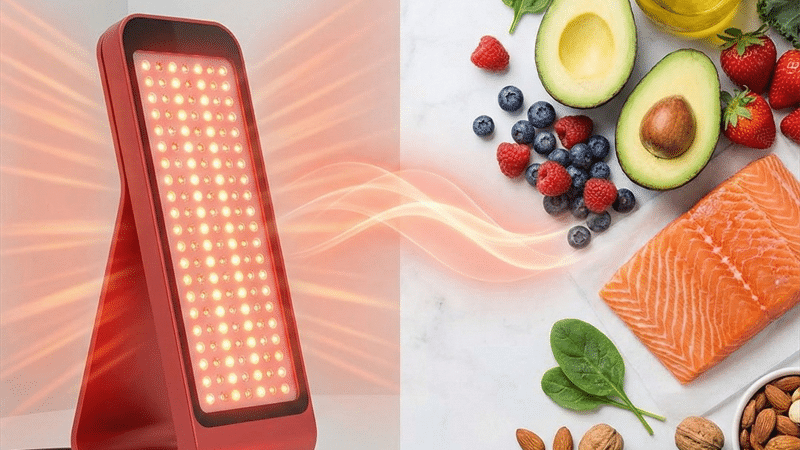
Fuel the Mitochondria
Red light therapy may stimulate ATP production in your mitochondria. Foods rich in CoQ10, omega-3s, and B vitamins can provide the raw materials your cells need to support energy output.
Reduce Oxidative Stress
Antioxidant-rich foods — berries, leafy greens, turmeric — may help neutralize free radicals and support the cellular repair processes that photobiomodulation can activate.
Hydrate for Delivery
Proper hydration helps ensure nutrients and oxygen reach your cells efficiently. Research suggests well-hydrated tissues may respond better to red and near-infrared wavelengths, supporting therapeutic penetration.
The RedLight Freedom Approach
At RedLight Freedom in Colonial Heights, we believe in eating well, not eating less. No calorie counting. No complicated rules. Just three simple principles that support cellular health and help you feel your best.
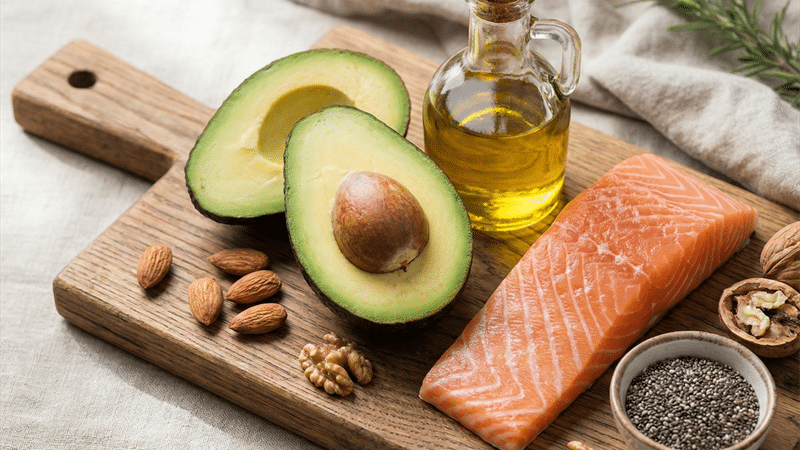
1. Prioritize Healthy Fats
Healthy fats can fuel your mitochondria, help reduce inflammation, and support absorption of essential vitamins. Research suggests omega-3s may integrate into mitochondrial membranes — potentially making your cells more responsive to red light therapy.
- Avocado and avocado oil
- Extra virgin olive oil
- Wild-caught salmon, sardines, mackerel
- Nuts (almonds, walnuts, macadamia)
- Seeds (chia, flax, pumpkin)
- Grass-fed butter and ghee
2. Moderate Quality Protein
Protein provides the building blocks for tissue repair that red light therapy can support — helping rebuild muscle, supporting collagen production, and maintaining cellular structures.
- Grass-fed beef and lamb
- Pasture-raised poultry
- Wild-caught fish and seafood
- Pasture-raised eggs
- Full-fat Greek yogurt and cheese
- Bone broth (rich in collagen)
3. Very Low or No Carbs
Reducing carbohydrates may help stabilize blood sugar, reduce inflammation, and shift your body toward burning fat for fuel — supporting the cellular energy production that red light therapy can enhance.
- Leafy greens (spinach, kale, arugula)
- Cruciferous veggies (broccoli, cauliflower)
- Zucchini, asparagus, green beans
- Bell peppers, tomatoes, mushrooms
- Berries in moderation
- Fresh herbs (basil, cilantro, parsley)
What to Consider Limiting — and Why It Matters
We're not about restriction for restriction's sake. But some foods actively work against your red light therapy sessions. Here's what to minimize and why.
Sugar
Sugar can trigger inflammation and create AGEs that make collagen stiff — potentially counteracting the collagen-supporting benefits of red light therapy.
Candy, desserts, sweetened yogurts, honey, maple syrup, agaveSugary Drinks
Liquid sugar can spike insulin and trigger inflammation quickly. Sodas and sweet coffees deliver large sugar loads with minimal nutritional benefit.
Soda, fruit juice, sweet tea, energy drinks, sweetened coffeeProcessed Foods
Ultra-processed foods may increase inflammation and disrupt your gut microbiome — which emerging research suggests can impact how your body responds to red light therapy.
Fast food, packaged snacks, chips, white bread, pasta, cerealsAlcohol
Alcohol can disrupt sleep, dehydrate tissues, and increase inflammation — potentially counteracting the recovery benefits you're working toward with red light therapy.
Beer, wine, cocktails, liquorFoods That Heal: Your Anti-Inflammatory Toolkit
These foods provide the specific nutrients your cells need to maximize red light therapy benefits.
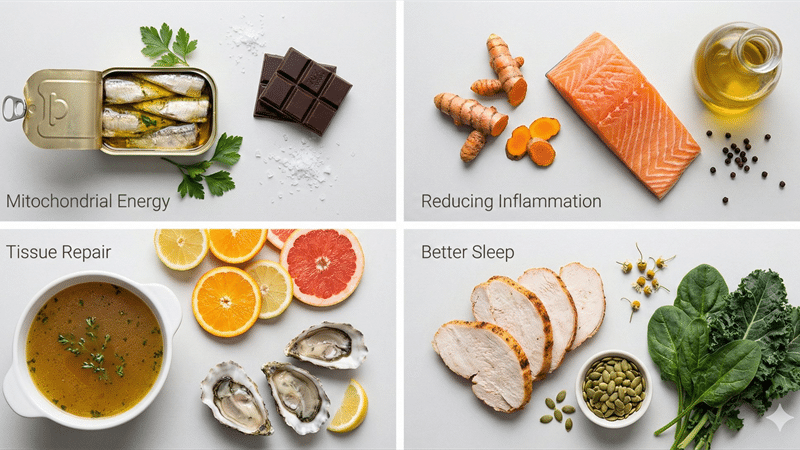
For Mitochondrial Energy
CoQ10, B Vitamins, and Magnesium to power your cells.
- Organ meats (heart, liver) — richest source of CoQ10
- Sardines and mackerel — CoQ10 plus omega-3s
- Beef — CoQ10, B vitamins, iron
- Eggs — B vitamins, complete protein
- Spinach and broccoli — magnesium, B vitamins
- Almonds and pumpkin seeds — magnesium
For Reducing Inflammation
Omega-3s and Polyphenols to calm your body's stress response.
- Wild salmon — EPA and DHA omega-3s
- Turmeric with black pepper — curcumin (2,000% better absorption)
- Extra virgin olive oil — oleocanthal, nature's ibuprofen
- Berries — anthocyanins, vitamin C
- Ginger — gingerols reduce inflammatory markers
- Green tea — EGCG polyphenols
For Tissue Repair & Skin
Collagen-supporting nutrients for skin, joints, and recovery.
- Bone broth — collagen, glycine, proline
- Citrus and bell peppers — vitamin C for collagen synthesis
- Shellfish and red meat — zinc for collagen enzymes
- Eggs — biotin, protein
- Fatty fish — omega-3s for skin barrier function
For Better Sleep
Magnesium and Tryptophan to support natural sleep cycles.
- Turkey — tryptophan (melatonin precursor)
- Pumpkin seeds — magnesium and tryptophan
- Dark leafy greens — magnesium
- Fatty fish — vitamin D, omega-3s
- Tart cherries — natural melatonin
Related Reading
Dive deeper into how nutrition supports your red light therapy goals:
Hydration: The Overlooked Essential
Proper hydration isn't optional — it's essential for red light therapy results. Water plays a role in ATP production, and dehydrated tissues may scatter light, potentially reducing the dose that reaches your mitochondria.
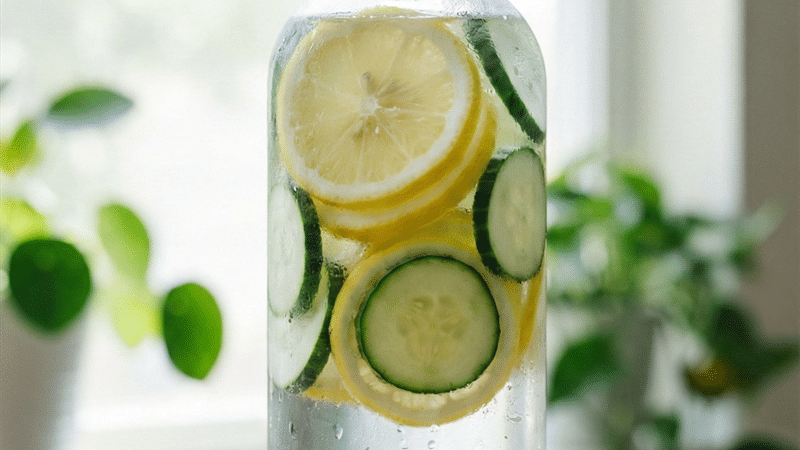
Before Your Session
- Hydrate well starting in the morning
- Drink at least 20 ounces of water before your appointment
- Consider adding electrolytes (sodium, potassium, magnesium)
After Your Session
- Your body continues cellular repair work for up to 72 hours
- Aim for generous hydration for three days post-session
- Include electrolyte-rich beverages and hydrating foods
What to Drink
- Water (filtered or mineral)
- Black coffee
- Black tea or green tea
- Sparkling water with lemon/lime
- Bone broth
- Electrolyte drinks (no added sugar)
What to Skip
- Soda
- Fruit juice
- Energy drinks
- Sweetened coffee drinks
- Alcohol
Track Your Fuel. Amplify Your Results.
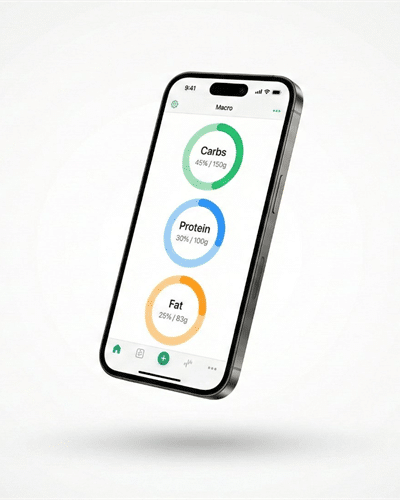
The clients who see the best results stay consistent — with their sessions AND their nutrition. That's why we recommend Carb Manager, a free app that makes tracking simple.
- Scan barcodes to log food in seconds
- Track net carbs, protein, and fat at a glance
- No calorie obsession — focus on macros that matter
- Huge food database with keto-friendly options
- Free to use with optional premium features
When you track what you eat, you see patterns. Better choices compound into real results over time.
Your 15-minute session works harder when you fuel it right.
Simple Swaps That Make a Difference
You don't have to overhaul your kitchen overnight. Start with these easy swaps.
Building Habits That Stick
We believe in small changes that compound over time — not crash diets that leave you frustrated. Focus on adding nutritious foods. Fill your plate with vegetables, quality protein, and healthy fats first.
Start Hydrating
Drink 20oz of water before your session.
Add Omega-3s
Add one fatty fish meal per week.
Swap a Snack
Replace one processed snack with nuts or cheese.
Track Your Fuel
Download Carb Manager and track for one week.
Small, consistent actions add up. Getting 1% better each day produces remarkable improvement over a year. By walking through our door, you've already made a choice that says "I prioritize my health."
Explore Our Recipe Hub
Simple, anti-inflammatory recipes designed to complement your red light therapy sessions — from pre-session smoothies to post-session power bowls.
What We Offer
Personalized Wellness Guidance
During your visits, we answer your nutrition questions and provide general guidance tailored to your wellness goals. Consider us your partners in feeling your best.
Practical Tips & Education
Evidence-based information about anti-inflammatory nutrition, hydration strategies, and foods that support cellular health. Educational, never prescriptive.
Recipe Cards
Pick up free recipe cards at each visit — simple, anti-inflammatory recipes to fuel your sessions. Or browse our Recipe Hub online.
Hydration Strategies
Learn when and how to hydrate before your sessions for optimal results, and discover post-session practices that support cellular recovery.
Frequently Asked Questions
No, red light therapy provides benefits on its own. However, anti-inflammatory nutrition can amplify your results by giving your cells the raw materials they need to maximize energy production. Think of it as fueling the engine that red light therapy tunes up.
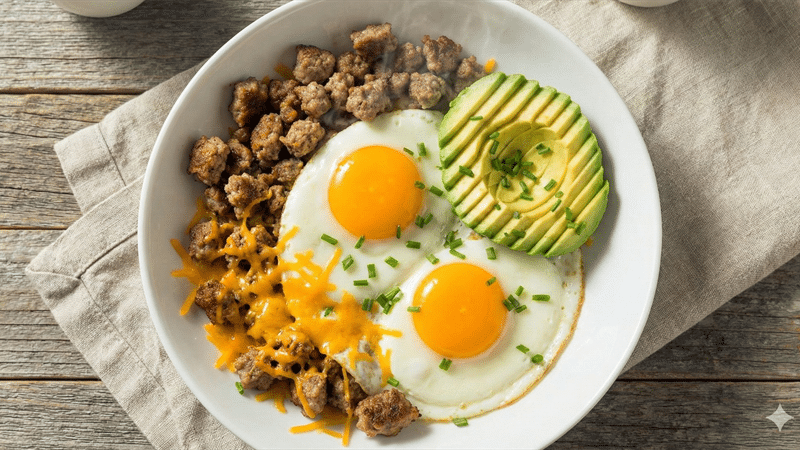
Focus on hydration and nutrient-dense foods. Drink at least 20 ounces of water before your appointment. A light meal with healthy fats and protein — like eggs with avocado or salmon with vegetables — provides the nutrients your cells need.
Carb Manager is a free app that makes it easy to track macronutrients — especially net carbs, protein, and fat — without obsessing over calories. Clients who track their nutrition tend to see better results because awareness leads to better choices. We have no affiliation with Carb Manager; we simply recommend it as a practical tool.
We recommend generous hydration for up to three days after your session, as your body continues cellular repair work during that time. Aim for at least 8–10 glasses of water per day, and consider adding electrolyte-rich beverages and hydrating foods like cucumber, celery, and citrus fruits.
No. RedLight Freedom provides general wellness guidance and nutritional education only. We do not provide medical nutrition therapy, diagnose conditions, or create prescribed meal plans. For specific dietary needs, allergies, or medical conditions, we recommend consulting a registered dietitian or physician.
Ready to Fuel Your Wellness Journey?
Book your red light therapy session at our Colonial Heights studio and discover how nutrition can amplify your results.
Important Disclaimer: RedLight Freedom does not provide medical nutrition therapy or diagnose conditions. Our nutritional guidance is general wellness information only. For specific dietary needs, allergies, or medical conditions, please consult a registered dietitian or physician.