The accidental discovery that launched a field
Red light therapy for wound healing and post-surgical recovery didn’t start in a Silicon Valley wellness lab. It started in a Hungarian hospital in the 1960s, with a physician named Endre Mester who wasn’t trying to heal anything.
Mester was testing low-level lasers on mice to see if the light might cause cancer. It didn’t. But something unexpected happened: the shaved skin on the treated mice grew hair back faster and their incisions healed more quickly than the control group. He wasn’t looking for a wound healing breakthrough — he stumbled into one.
That accidental finding launched an entire field of research called photobiomodulation (PBM). Sixty years and thousands of studies later, wound healing and tissue repair remain the best-validated application in the entire PBM literature. Not weight loss. Not anti-aging. Wound healing is where the evidence started — and it’s still where the evidence is strongest.
For clients recovering from surgery, managing slow-healing wounds, or dealing with old scars here in Colonial Heights and the Tri-Cities area, that’s worth knowing. The Prism Light Pod’s 630, 660, and 850 nm wavelengths are precisely what the clinical research uses.
How your body actually heals a wound
Before we get into what the light does, it helps to understand what your body is already trying to do. Wound healing isn’t one event — it’s four overlapping phases, each with a different job. And PBM plays a role in three of them.
| Phase | Timeframe | What Happens | PBM Role |
|---|---|---|---|
| Hemostasis | 0–24 hours | Blood clots, wound seals | Minimal — reduces initial inflammatory overdrive |
| Inflammation | Days 1–4 | Immune cells flood wound, clean debris | Modulates cytokines to prevent chronic inflammation |
| Proliferation | Days 5–21 | Fibroblasts build collagen, new blood vessels form | Most documented phase — fibroblast activation, collagen synthesis, angiogenesis |
| Remodeling | Weeks to months | Collagen reorganizes, scar matures and softens | Supports organized collagen deposition, reduces hypertrophic scarring |
Most people think healing is done when the stitches come out. In reality, the proliferation and remodeling phases continue for weeks to months after that. This is the window where red light therapy has the most documented impact — and where most clients at RedLight Freedom begin their sessions.
Four Ways Light Accelerates Healing
Every mechanism directly serves post-surgical and wound healing recovery — this is what PBM was built for
Cellular Energy (ATP)
Light absorbed by cytochrome c oxidase increases mitochondrial ATP production — the cellular fuel that powers every repair process. Healing tissue is energy-hungry, and PBM feeds it.
Fibroblast Activation
Red light (630–660 nm) stimulates fibroblasts — the cells that manufacture collagen and elastin. More active fibroblasts mean faster, stronger wound closure and better-organized scar tissue. Research in Lasers in Medical Science documented increased fibroblast proliferation, collagen deposition, and angiogenesis at 660 nm.
New Blood Vessel Formation
PBM increases VEGF (vascular endothelial growth factor) and nitric oxide — both critical for growing new blood supply into healing tissue. Healing tissue is starved for oxygen; angiogenesis ends that starvation.
Inflammation Control
PBM reduces excessive pro-inflammatory cytokines (TNF-α, IL-1β, IL-6) without suppressing the necessary immune response. The goal is controlled inflammation — enough to fight infection, not so much that it becomes the wound’s biggest enemy.
Sixty years of evidence — and it keeps getting stronger
We reviewed seven key studies and consensus statements to build the most honest picture of where this evidence stands. (For more on how we evaluate research quality, see our methodology article.)
21-expert international consensus: “Effective for wound ulcers”
In 2025, the Journal of the American Academy of Dermatology published a multidisciplinary expert consensus on photobiomodulation. Twenty-one international experts, two rounds of Delphi survey, two consensus meetings, iterative review until unanimous agreement. Their conclusion: PBM is an effective treatment option for wound ulcers due to multiple etiologies — alongside confirmed safety (no DNA damage from red light PBM).
Why this matters: This isn’t one researcher’s opinion. It’s 21 experts from multiple disciplines, after exhaustive systematic review, unanimously agreeing that PBM works for wound healing. That’s the gold standard of clinical consensus.
18 RCTs, 670 wounds: pain and healing both improved
A 2024 systematic review and meta-analysis in PMC analyzed 18 randomized controlled trials covering 670 skin wounds — leprosy ulcers, bariatric surgery wounds, hernia repairs, thyroidectomy scars, burns, skin graft donor sites, episiotomy wounds, and diabetic foot ulcers. The findings: LLLT promotes collagen synthesis, granulation tissue formation, and reduces inflammation. Pain reduction was documented across multiple wound types.
Why this matters: This covers the range of wounds real people bring to us: post-surgical incisions, burns, difficult healing ulcers, and more. It’s not one wound type — it’s a pattern across many.
Diabetic foot ulcers: double-blind RCT
Torkaman et al. conducted a double-blind RCT with 30 diabetic patients with grade II foot ulcers using 904 nm PBM. Wound closure was significantly accelerated (p = 0.003). Angiogenic markers were directly affected: VEGF reduced (p = 0.005) and nitric oxide increased (p < 0.001) — demonstrating that PBM regulates the angiogenesis pathway directly, not just surface-level healing.
Why this matters: Diabetic wound healing is among the hardest wound types to treat. If PBM shows significant results in grade II ulcers, that carries real clinical weight for clients with diabetes, poor circulation, or slow-healing wounds.
Open-heart surgery incisions: LED double-blind study
Oliveira et al. (2013) studied post-cardiac surgery sternotomy incisions — among the most serious surgical wounds — in a randomized double-blind design. The LED light therapy group showed significantly improved healing compared to control.
In plain English: If red light can help a chest incision from open-heart surgery heal better, it can help your knee replacement scar, your hernia repair, your gallbladder removal incision.
Post-knee replacement: scoping review (2025)
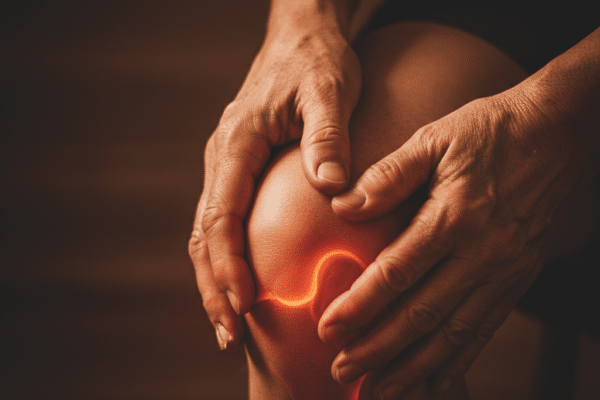
A 2025 scoping review in ScienceDirect analyzed three RCTs on PBM after total knee arthroplasty (TKA) — the most common major joint replacement surgery in the U.S. Significant short-term gains were found in pain, range of motion, and knee function post-surgery.
Why this matters locally: Knee replacement is one of the most common surgeries for adults 55+ in the Tri-Cities area. This maps directly to our client population.
Honest limitation: Most of these studies used focused laser devices, not full-body LED pods. The wavelengths and mechanisms are the same, but the delivery method differs. We’re transparent about that. The Prism Light Pod delivers the same therapeutic wavelengths (630, 660, 850 nm) at medical-grade intensity across the entire body simultaneously — which is an advantage for clients with multiple healing sites, but the specific pod hasn’t been the subject of wound healing RCTs itself.
The scar story: it’s not too late
This is the part that surprises most clients. Even if your surgery was months or years ago, the evidence says your scar tissue can still respond.
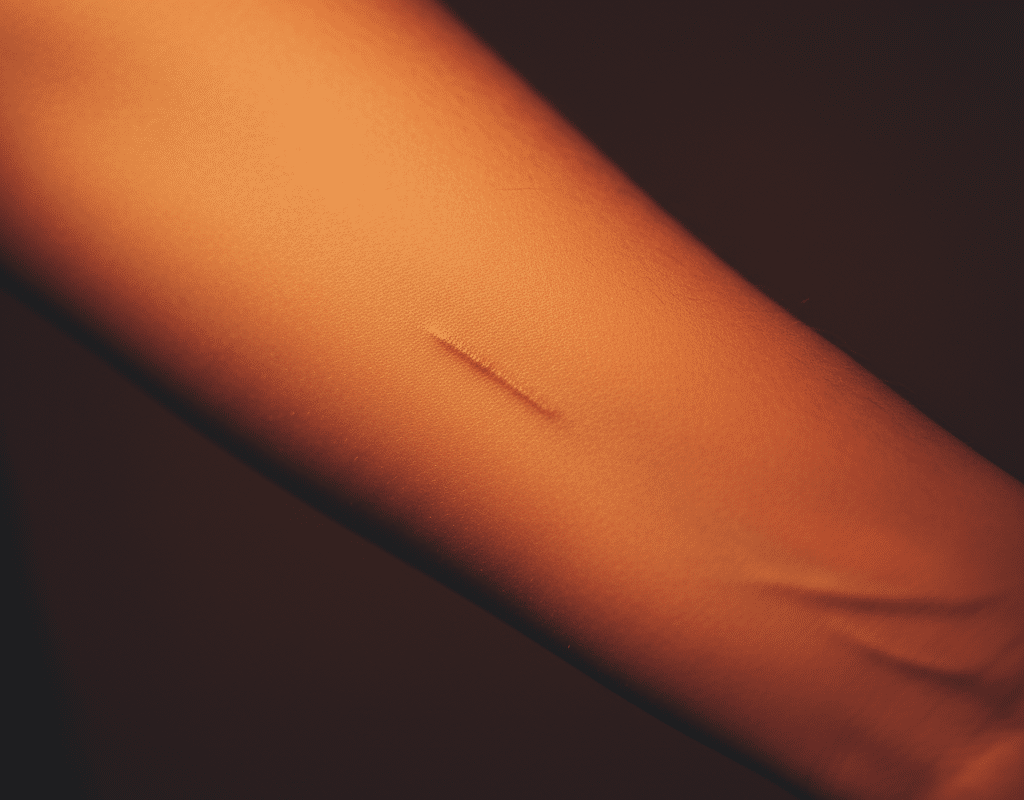
The International Consensus Guideline on Postsurgical and Traumatic Scarring (2019/2020) named laser and light-based treatment as a primary therapeutic option for scar mitigation, scar-related pain, and itching. The 2020 update went further: “First-line laser treatment for traumatic scars and contractures is the best available care.”
And a 2025 study (PMID 40802060) tested 660 nm red light on 60 participants across three scar categories: recent scars (under 6 months old), old scars (over 1 year), and acne scars. Sessions ran 2–3 times per week. The results: measurable improvements in scar appearance, texture, and pain across all three groups — including the old scars.
Bottom line: If you’ve been told “there’s nothing you can do about that scar,” the research suggests otherwise. Old scars still respond. That’s not a sales pitch — it’s published data with 60 participants.
The RedLight Freedom approach to post-surgical recovery
Research gives us the foundation. But what we’ve learned working with clients recovering from knee replacements, C-sections, hernia repairs, and old injury scars shapes how we actually use that research in the studio.
At RedLight Freedom, we recommend up to 2 sessions per week for post-surgical and wound healing support. Some studies tested more frequent protocols (3–5 sessions per week in clinical settings), but our experience with the Prism Light Pod’s medical-grade output has shown that 2 sessions per week delivers consistent results without overstimulating healing tissue. More isn’t always better — especially when the tissue is actively repairing itself.
Pod + plate: why sequence matters
For clients cleared for both, we recommend the pod session first, then the vibration plate. Here’s why:
- The pod delivers therapeutic light to healing tissue while your body is calm and still — optimal conditions for light absorption.
- Post-surgical swelling (edema) starves healing tissue of oxygen and nutrients. The vibration plate activates the lymphatic pump, helping clear that swelling after your session.
- Whole-body vibration at low frequencies (20–40 Hz) promotes circulation and lymphatic drainage, helping your body distribute the benefits of the light therapy session you just completed.
Important: The vibration plate is not recommended directly after surgery when incisions are fresh and stabilization is critical. We recommend clients get medical clearance before using the plate post-surgery. The pod can typically be started sooner (once cleared for light activity), but always check with your surgeon first. We’ll ask about your timeline during your consultation — this is exactly the kind of guidance a professional studio provides that a home device can’t.
What the Pod Actually Delivers
Three wavelengths, each targeting a different depth of healing tissue
630 nm Red
Surface wound healing and skin-level fibroblast activation. Reaches the dermis where collagen is built and scar tissue is formed. Ideal for incision sites, skin grafts, and surface-level repair.
660 nm Red
The primary wavelength in wound healing research. Directly stimulates fibroblast proliferation and collagen deposition. This is the wavelength used in the 60-patient scar study, the JAAD consensus, and most of the clinical literature.
850 nm Near-Infrared
Deeper tissue recovery — subcutaneous layers, muscle fascia, and joint capsules. Critical for post-surgical clients whose healing extends below the skin surface: knee replacements, abdominal surgery, deep tissue repair.
Who benefits most
- Post-knee, hip, or shoulder replacement clients — the largest surgical population in the Tri-Cities for adults 55+
- Post-C-section, hernia repair, gallbladder, or appendix surgery — common general surgeries with incision healing needs
- Clients with slow-healing or diabetic wounds — significant in our region, and supported by the strongest evidence subset
- Anyone with old surgical scars limiting movement or causing chronic discomfort — the 2025 scar study showed response even after 1+ year
- Clients in physical therapy or occupational therapy — red light as an adjunct to your rehab plan, not a replacement for it
What to expect at RedLight Freedom
Your first visit ($79 new client rate) starts with a consultation where we’ll ask about your surgery timeline, current healing phase, and any restrictions from your surgeon. Based on that, we’ll select the Wound & Injury Healing preset on the Prism Light Pod.
The session itself is 15 minutes. You lie down in the pod, which surrounds you with 17,000+ LEDs delivering 630, 660, and 850 nm light. No UV, no heat, no contact with your incision site. Most clients describe it as warm and relaxing.
For post-surgical recovery, we typically recommend starting with 2 sessions per week for 4–6 weeks, then reassessing based on how your healing is progressing. Some clients continue at 1 session per week during the remodeling phase. We’ll track your progress and adjust as needed — that’s what a professional studio offers that a home device can’t.
Frequently asked questions
When can I start red light therapy after surgery?
Once your surgeon clears you for light activity and your incision is closed, you can typically begin pod sessions. Most clients start during the proliferation phase (about 1–3 weeks post-surgery, depending on the procedure). We always recommend checking with your surgical team first. For the vibration plate, wait for full medical clearance — fresh incisions need stabilization before whole-body vibration.
Will red light therapy help my old scar?
The evidence says yes, it can. The 2025 study (PMID 40802060) tested scars over one year old and still found measurable improvements in appearance, texture, and pain. The International Consensus on Scar Treatment also recommends light-based therapy for established scars. It’s not too late.
Can I use red light therapy alongside physical therapy?
Absolutely — and the combination often makes sense. Red light supports the tissue repair happening between PT sessions. The RLF website FAQ confirms that RLT “can be safely combined with other treatments such as physical therapy” and may “enhance the effects of other treatments and aid in faster recovery.” Think of it as fuel for the repair work your PT is directing.
Is this safe with diabetes or poor circulation?
The diabetic foot ulcer RCT (Torkaman et al.) specifically studied diabetic patients and showed significant wound healing improvement. That said, we always recommend consulting your physician first, especially if you have active open wounds or compromised circulation. The pod is a complement to your medical care, not a replacement.
As always: Red light therapy works best as one part of your overall care plan — not a replacement for your surgeon, your PT, or your wound care nurse. The evidence is strong, the history is deep, and the mechanisms are well-understood. What we offer is a professional-grade way to support what your body is already trying to do.
Important: Red light therapy is not intended to diagnose, treat, cure, or prevent any disease. Results vary by individual. The Prism Light Pod is an FDA-cleared Class II medical device used for general wellness — not as a wound treatment device. The wavelengths and mechanisms studied in wound healing research are the same wavelengths delivered by the pod. Always get medical clearance from your surgeon or physician before beginning any new wellness regimen post-surgery.
Sources cited in this article
Want to understand how we evaluate the quality of these studies? Read our
evidence evaluation framework.
- JAAD Multidisciplinary Expert Consensus (2025) — Evidence-Based Consensus on Clinical Application of Photobiomodulation, Journal of the American Academy of Dermatology, DOI: S0190-9622(25)00659-0
-
PMC11602420 (2024) — The Effects of LLLT on Wound Healing and Pain Management in Skin Wounds: Systematic Review and Meta-Analysis of 18 RCTs
-
Torkaman et al. — Double-Blind RCT: PBM for Diabetic Foot Ulcers (cited in PMC12751248)
- Oliveira et al. (2013) — Effects of LED Emissions on Sternotomy Incision Repair After Myocardial Revascularization: A Randomized Double-Blind Study with Follow-Up
- ScienceDirect (2025) — Effect of Photobiomodulation on Pain and Clinical Outcomes After Total Knee Arthroplasty: Scoping Review
-
International Consensus Guideline on Postsurgical and Traumatic Scarring (2019/2020), cited in PMC11503318
-
PMID 40802060 (2025) — Photobiomodulation Therapy for Enhanced Wound and Scar Healing, 60 Participants, 660 nm
-
PMC10309024 — PBM Oncologic Safety Systematic Review (includes Mester origin reference and fibroblast/collagen data)
- Hamblin (2017) — Mechanisms of the Anti-Inflammatory Effects of Photobiomodulation, AIMS Biophysics